Putting your own brand on canned food is one of the most practical ways for an importer or distributor to build long-term value. Instead of reselling someone else’s name — and competing only on price — you own the label, the customer relationship, and the margin. Canned food suits private label especially well: it is shelf-stable, it ships in full containers, it sells every week, and shoppers in many markets are happy to try a new brand if the quality and price are right.
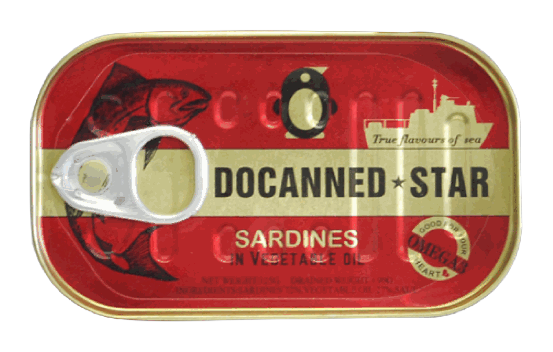 Sardines
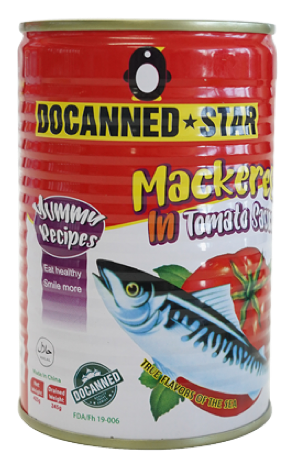 Mackerel
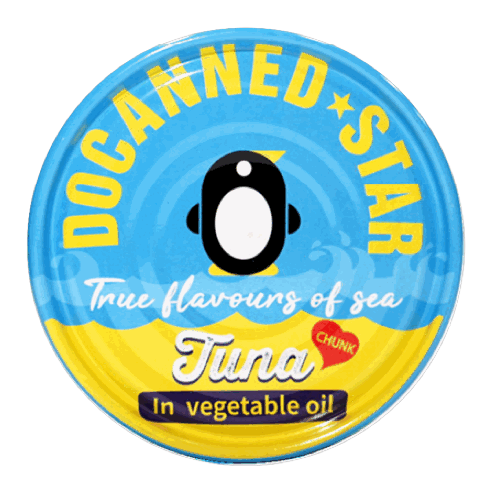 Tuna
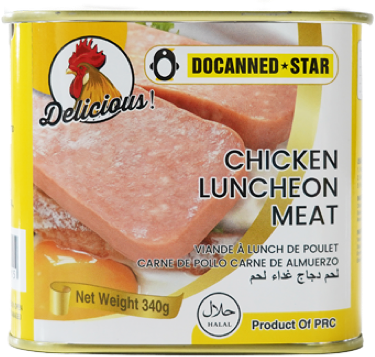 Luncheon meat
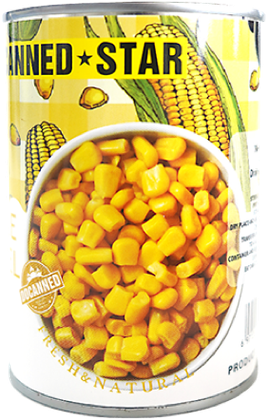 Sweet corn
But launching a private label canned food line involves more decisions than most buyers expect. Not just “which product,” but which kind of programme, which label type, which tin, how to fill a container, how long it takes, and how to make sure nobody copies your brand once it starts to sell.
This guide walks through each of those decisions in the order you will actually face them. It is written for importers, distributors, wholesalers, and retailers who want to work with a private label canned food manufacturer — and want to get the first container right.
Step 1: Choose your model — private label, OEM, or a ready-made brand
These three terms get mixed up constantly. They are different starting points, and the right one depends on your volume, your timeline, and how much control you want.
| Private label | OEM | Ready-made brand | |
|---|---|---|---|
| What it is | The factory’s proven recipe, under your brand and label | Made to your specification — recipe, size, tin, label, carton | The factory’s own consumer brand, which you distribute |
| Your brand on the can? | Yes | Yes | No — the factory’s brand |
| Control over the product | Label and packaging | Everything | None (choose from the range) |
| Speed to market | Fast | Slowest (recipe and spec work) | Fastest |
| Minimum order | Moderate | Highest | Lowest |
| Best for | Most new brands | Established brands with a defined spec | Testing a market, or volumes below private-label minimums |
How to choose:
- Start with private label if you want your own brand but don’t need a unique recipe. You use a recipe the factory already makes well, so the risk is low and the timeline is short. Most successful canned food brands start here.
- Go OEM when you already know exactly what your market wants — a specific sauce richness, a meat content, a can size no one else offers — and you have the volume to justify it.
- Distribute a ready-made brand when you want to test a new market before investing in your own label, or your order is still below private-label minimums. Docanned’s own consumer brand, DocannedStar, exists for exactly this.
Many buyers move through all three: they test with the ready-made brand, launch their own private label once the market is proven, then move key products to OEM as volume grows.
Step 2: Build a range, not a single product
A common first mistake is to launch a brand with one product. A shopper who trusts your sardines will happily buy your tuna, your luncheon meat, and your sweet corn — if they are on the same shelf under the same name. A range also makes your brand look established, gives distributors more to sell, and spreads your marketing over more products.
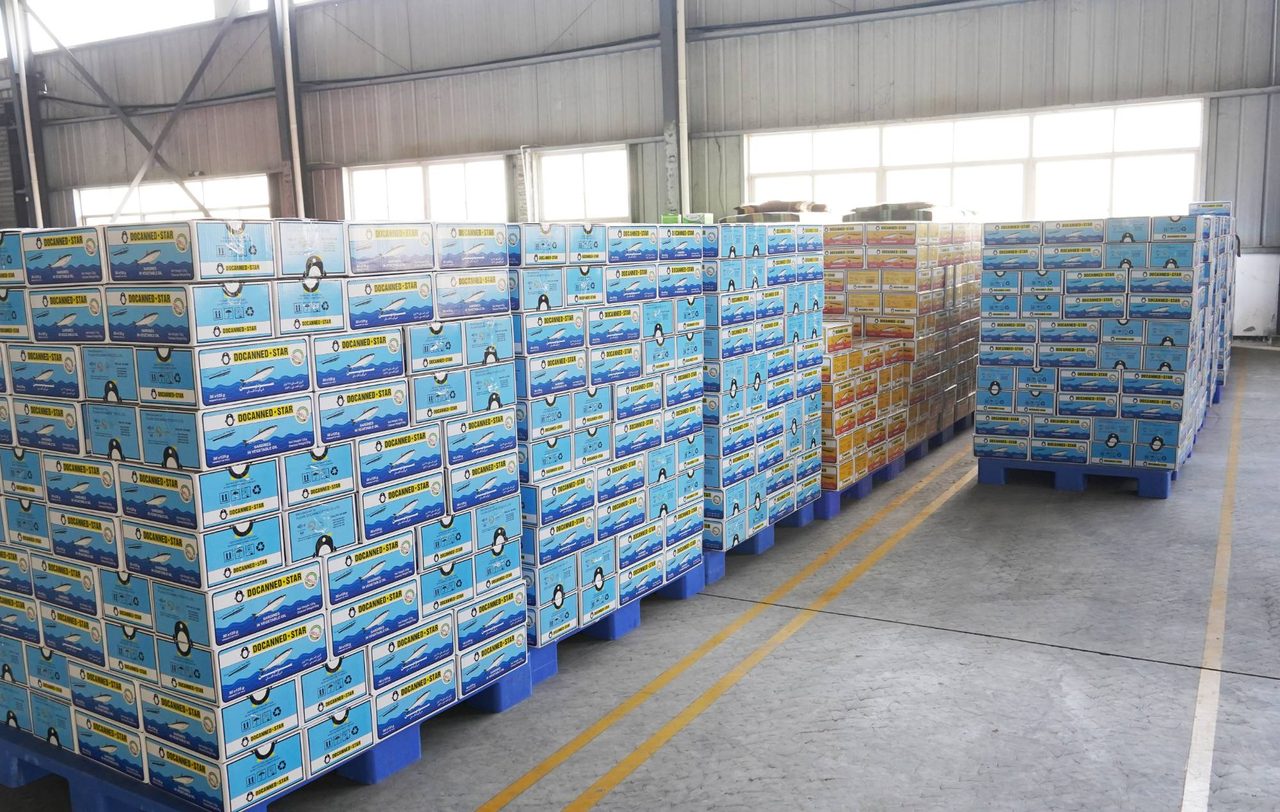
The practical problem: if each product needs its own full container, a five-product range means five containers before you sell a single can. This is where working with a multi-category manufacturer changes the economics. Because Docanned produces seafood, meat, vegetables, and soups in one group, you can build a range and ship it together in a mixed 20-foot container.
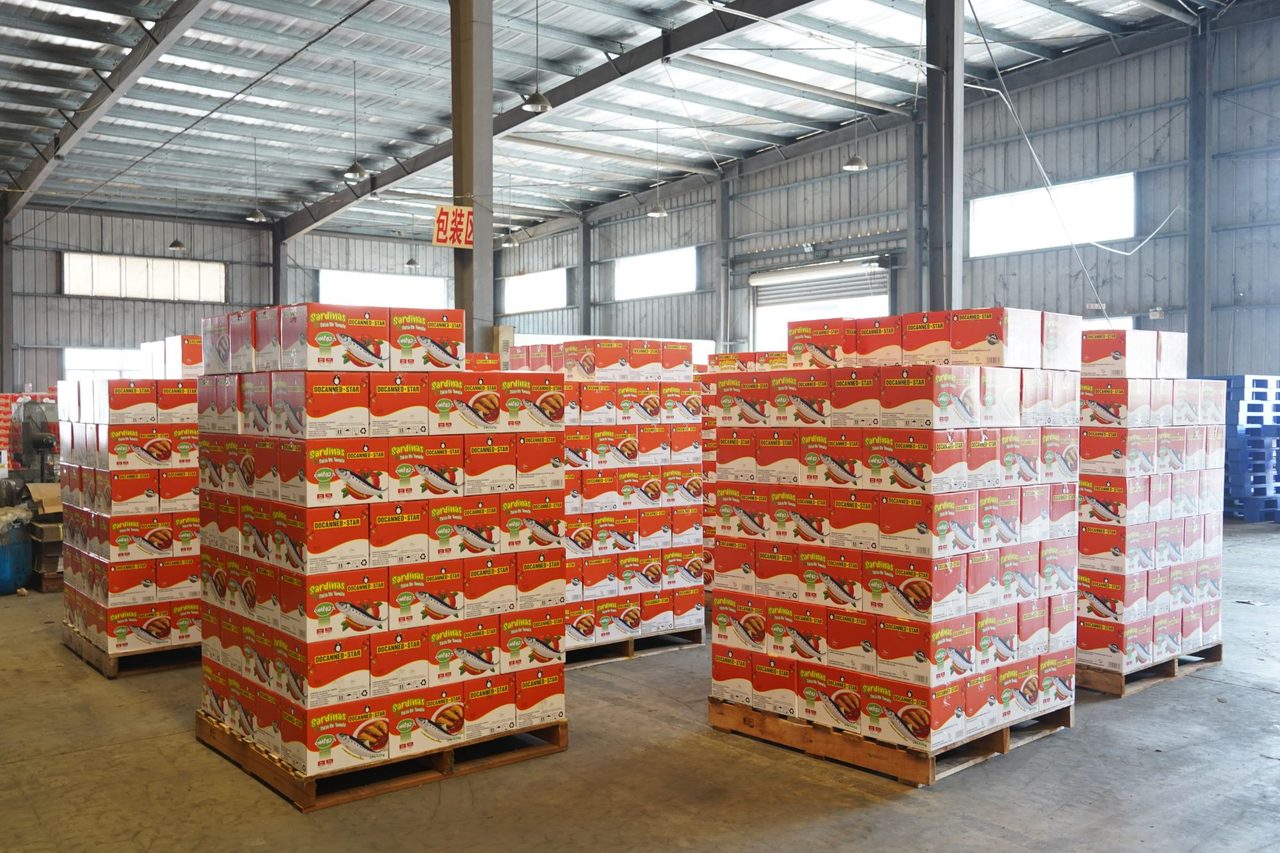
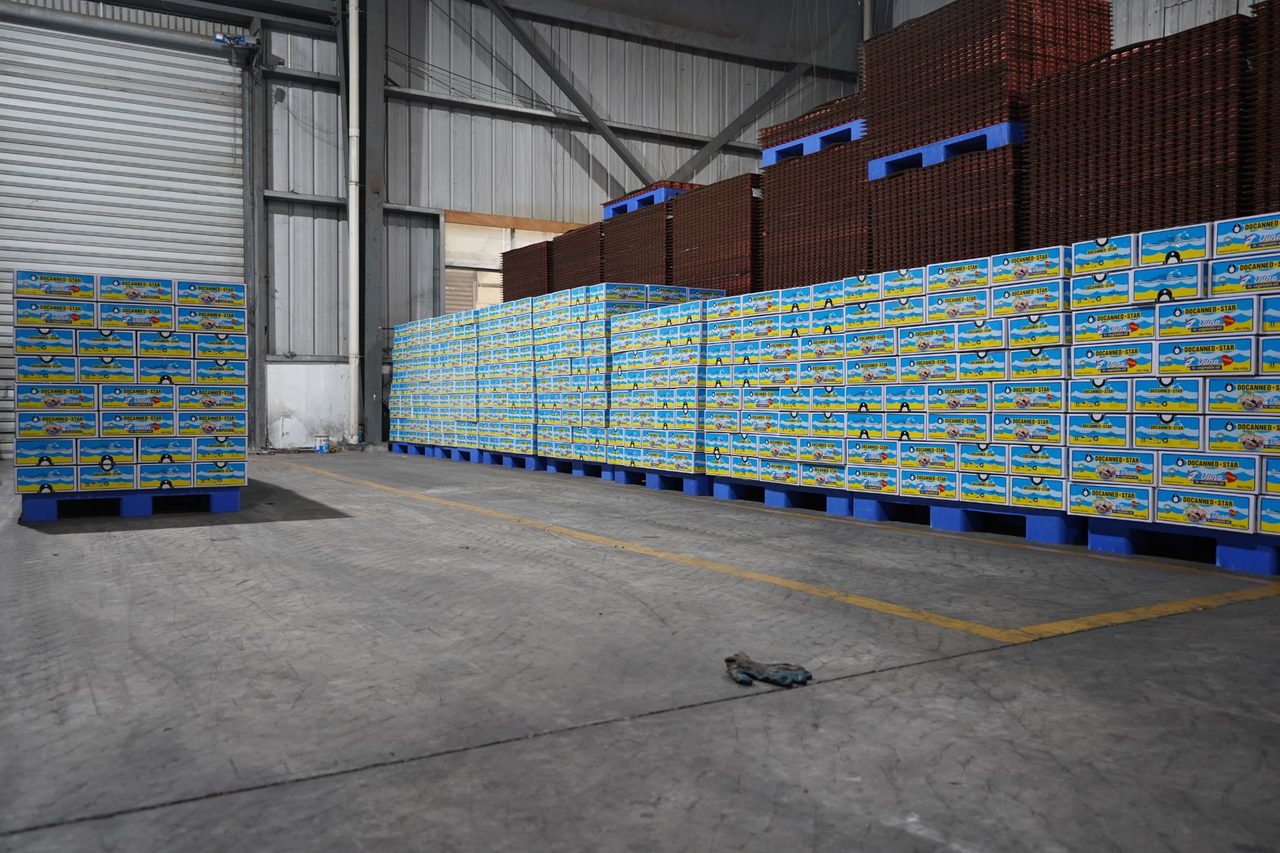
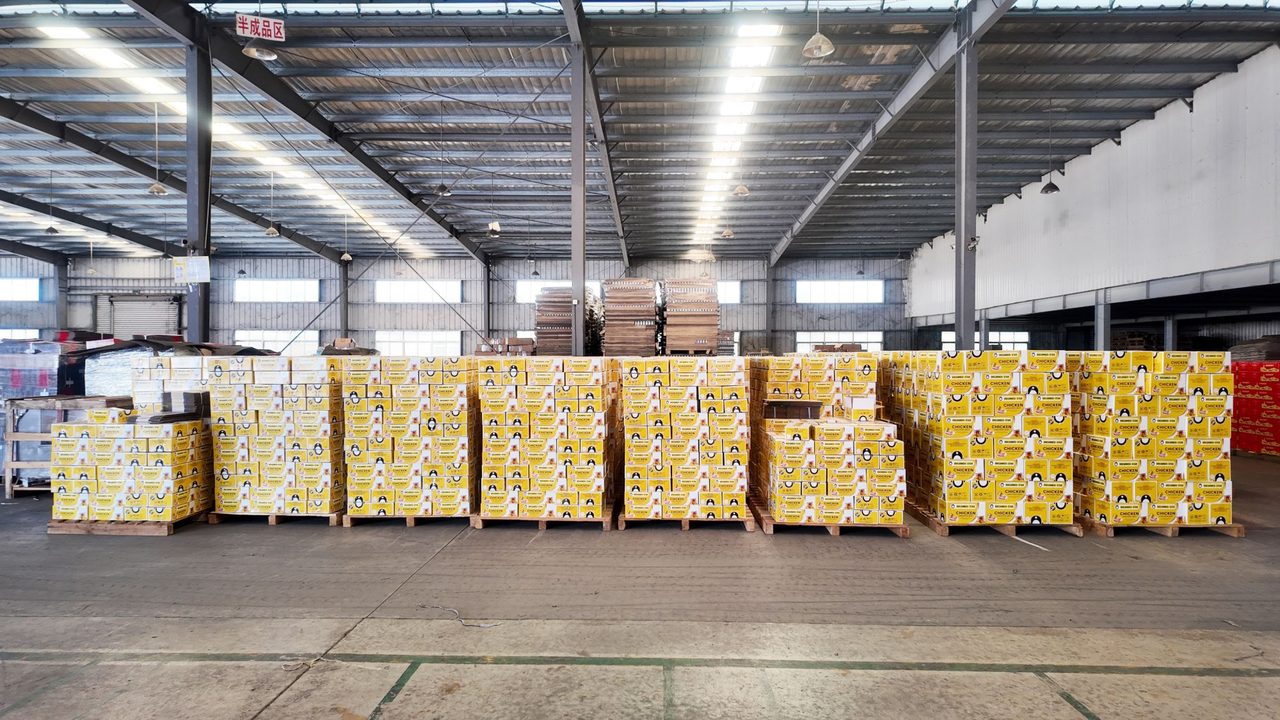
One brand across seafood and meat — staged in the same warehouse, ready to load together.
What one factory can cover under your brand:
| Category | Products | Common packing media |
|---|---|---|
| Canned seafood | Sardines, tuna, mackerel | Vegetable oil (soybean / sunflower / olive), oil with chili, tomato sauce, tomato sauce with chili oil, brine water |
| Canned meat (100% Halal) | Luncheon meat (chicken, beef, fish), chicken sausage, meatballs, meat pâté | — |
| Canned vegetables | Sweet corn, green peas, tomato paste | — |
| Canned soups | Creamy mushroom, creamy sweet corn, tomato | — |
Real examples of private-label formats:
- Canned sardines in vegetable oil — 50 × 125 g / drained weight 90 g
- Canned mackerel in tomato sauce — 24 × 425 g / drained weight 235 g
- Canned tuna in vegetable oil — 48 × 140 g / drained weight 98 g
- Chicken luncheon meat — 24 × 198 g / 340 g / 397 g
A sensible first range for many markets is three to five products that sell together: for example, a sardine, a mackerel in tomato sauce, a luncheon meat, and a sweet corn. For product-level detail, see our guides to sourcing canned sardines, canned tuna, canned mackerel, and halal luncheon meat.
Step 3: Decide how your brand goes on the can — printed tin or paper label
This is the decision that most affects your shelf look, your minimum order, and your flexibility — and it is rarely explained clearly.
Paper label
Your design is printed on a paper wrap glued around a plain tin.
- Lower minimum order per design; easy and inexpensive to change artwork.
- Ideal for launching, testing new products, or running many small SKUs.
- Can scuff or peel in humid storage and long supply chains.
Lithographic printed tin (litho)
Your design is printed directly onto the tinplate before the can is formed.
- A premium, durable look that won’t peel, scuff, or fade — and it is harder to copy convincingly.
- Higher minimum per design, because the tinplate sheets are printed in runs; artwork changes take more time.
- Best for proven, high-volume products where the brand will stay on shelf for years.
A practical rule: launch on paper labels, then move your best sellers to printed tins once volumes are proven.
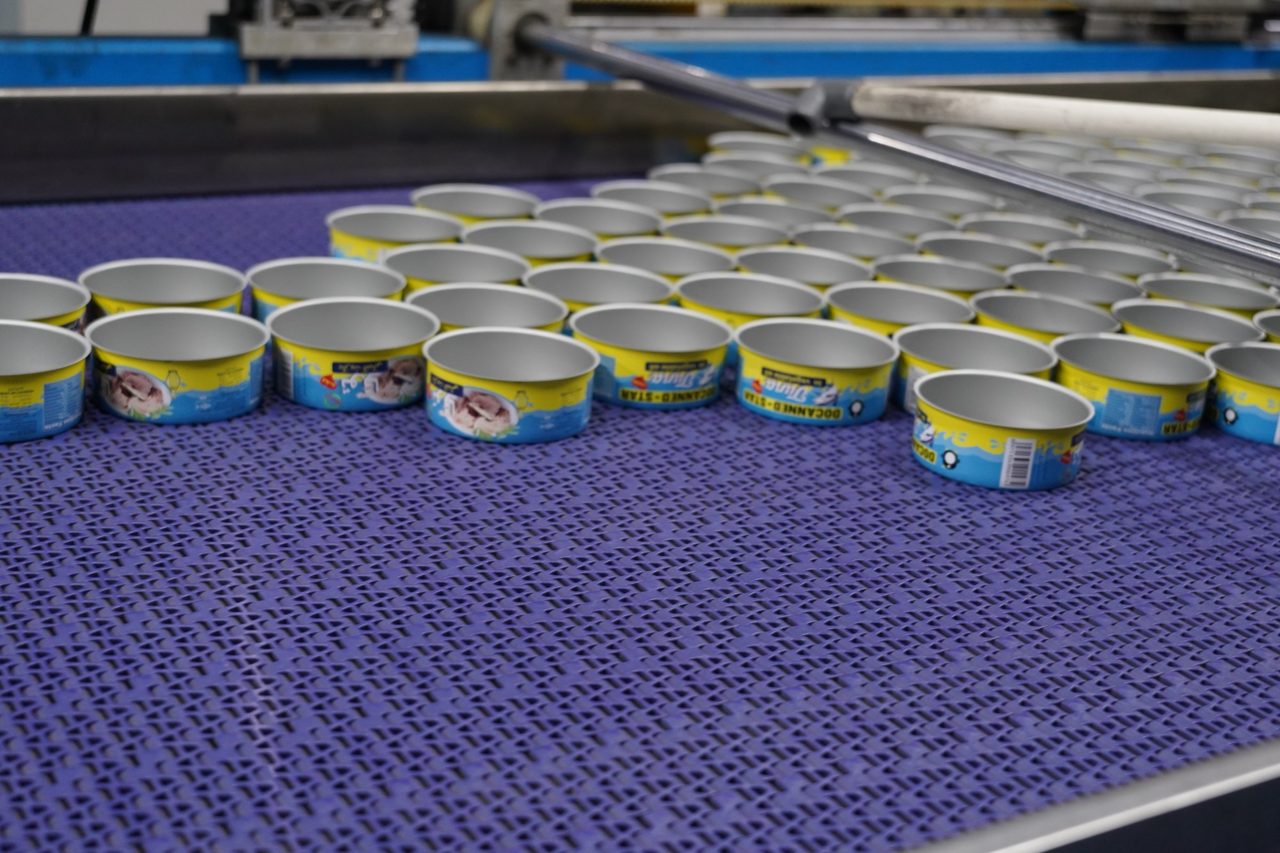
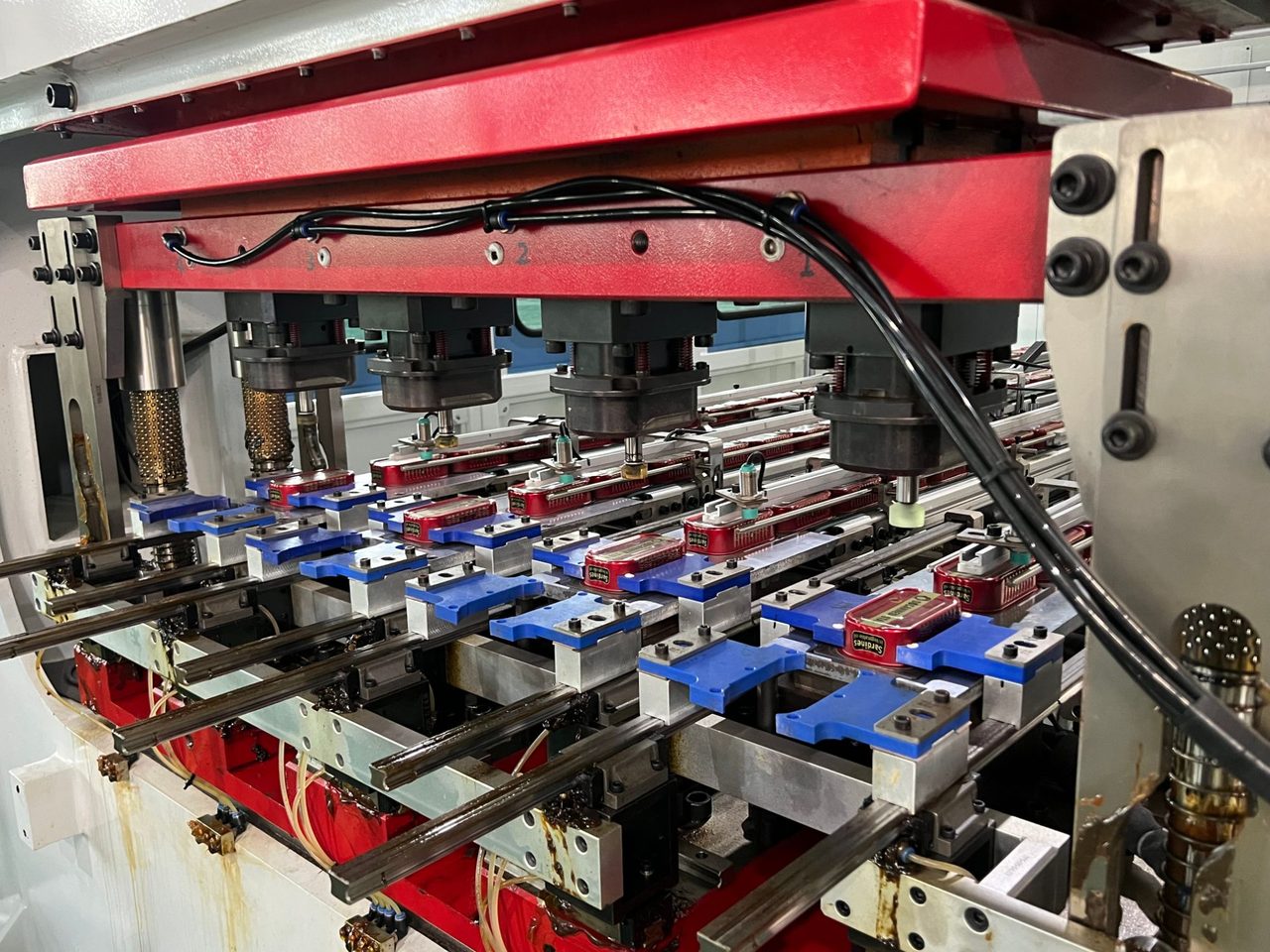
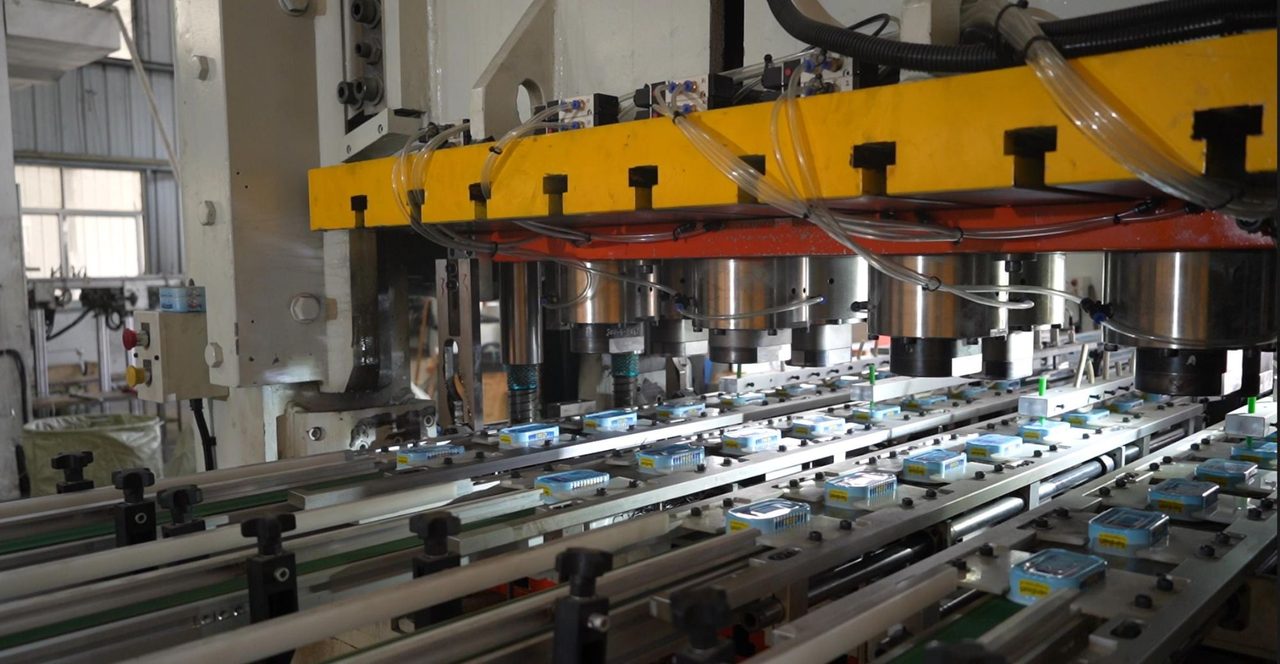
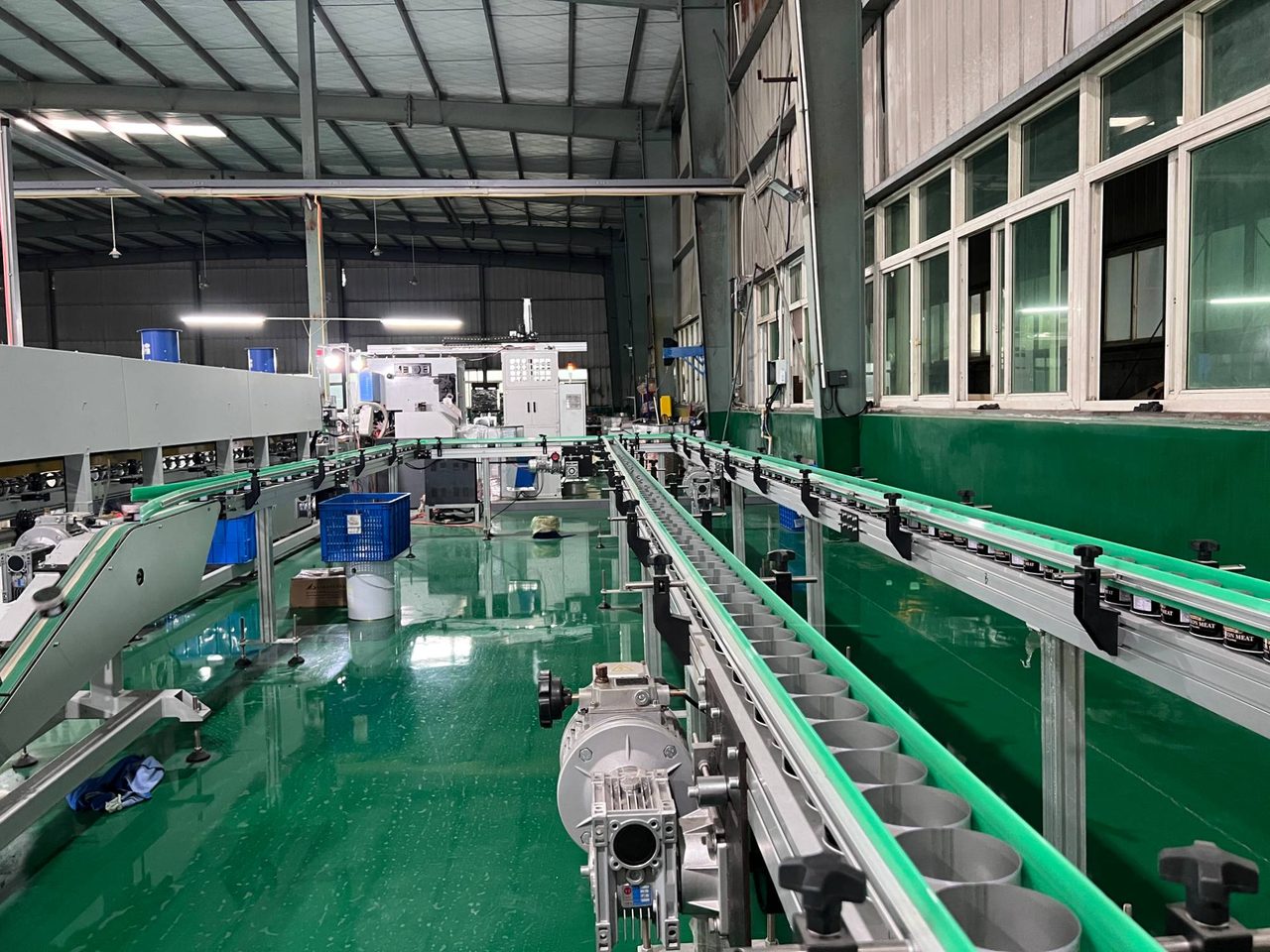
Why in-house can-making matters here. Most canneries buy their empty tins from an outside can supplier, which means printed-tin minimums, timelines, and available shapes are set by someone else. Because Docanned produces its own tins, the factory can schedule litho runs, offer custom tin shapes and sizes, and choose easy-open (ring-pull) or standard ends without waiting on a third party. Minimums depend on your tin, size, and design — send your plan for an exact figure.
Step 4: Get the artwork right the first time
Your label is not only a design — it is a legal document for your destination market. Most delays in a first private-label order come from artwork, not production.
What every label needs to carry (check per market):
- Product name and packing medium (for example, “Mackerel in Tomato Sauce”)
- Net weight — and, for fish in sauce or oil, the drained weight
- Ingredient list and allergen statement
- Nutrition panel in the format your market requires
- Country of origin and manufacturer / importer details
- Production and best-before date coding
- Barcode (EAN / UPC) — Docanned can provide and manage the barcode under the factory’s registration, so you don’t need your own
- Market marks — for example, the correct Halal mark and Arabic text for the Middle East
How the artwork process usually runs:
- You send your brand idea — or simply hand it to us. Docanned’s in-house design team can create the full label artwork for you from scratch, or adapt a design you already have.
- The factory sends a dieline for your exact can size, and checks the text against the product specification.
- You confirm the label text is compliant for your market — with your local agent if needed.
- You sign off a final proof (and, for printed tins, a print proof).
- Production is scheduled.
Starting your market registration and label review in parallel with design — not after — saves weeks.
Step 5: Understand MOQ and how to plan your first container
MOQ (minimum order quantity) for private label canned food is usually set per product, per size, and per label type, not as one fixed number for the whole order. Canned food is heavy, so a 20-foot container almost always reaches its weight limit before it fills its space — which is why canned food is planned and shipped by the 20-ft container.
Ways to make your first container work:
- Mix products. Combine several products in one container to launch a range without five times the stock.
- Start on paper labels. Lower per-design minimums make a multi-product launch realistic.
- Use one size per product to begin with. Add sizes once you see what sells.
- Ask about new-partner minimums. Many factories, Docanned included, discuss lower starting quantities for a first private-label order.
For an exact figure, send your target market, product list, sizes, label type, and estimated volume, and we’ll come back with the MOQ and quote.
Step 6: The ordering process, step by step
From first contact to a loaded container, a private-label order moves through a clear sequence:
- Inquiry — specs & quote. You send your product list, sizes, and target market; we send the specification and price.
- Sign the contract. Terms, products, and prices are confirmed.
- Deposit. You pay the deposit to start the order.
- Samples. Taste and inspect samples of the exact specification.
- Design. Our team prepares your label artwork and you approve the final proof.
- Production. Production runs after the deposit and approved artwork.
- Shipment. Pre-shipment inspection, loading, and export documents.
- Balance payment. You settle the balance.
- Release of goods. Documents are released and your container is on its way.
The longest part is usually not production — it is artwork approval and destination-market registration. Starting those early is the single best way to shorten your launch.
Step 7: Check the certifications your market needs
A private label carries your name, but the factory’s certifications are what get it through customs and onto shelves. Confirm that your manufacturer’s certificates are current and cover the specific products you are ordering.
- BRCGS and HACCP — internationally recognised food-safety standards, often required by retailers.
- ISO 9001 / ISO 22000 — quality and food-safety management systems.
- Halal — essential for Muslim-majority markets. Check that the certifying body is recognised in your specific destination market.
- FDA registration and GMP — facility registration and good manufacturing practice.
Remember that a factory’s certificates support your market entry, but many countries also require you — the brand owner or importer — to register the product locally before import.
Step 8: Protect your brand before it succeeds
This is the step almost every private-label guide leaves out, and it matters more than most buyers realise. Once a canned food brand starts to sell, copies appear — products with a similar name, similar colours, and similar can design, sometimes made by a different factory and sold into the same market. We have seen this happen to our own brands, and it is far easier to prevent than to fix.
How to protect your private label:
- Register your trademark in every market you sell into — not only in your home country. A trademark protects you only where it is registered.
- Register your can design and artwork where your market allows (design registration or copyright), so a lookalike can be challenged.
- Keep your artwork files and production records — they are your evidence if you ever need to prove the brand is yours.
- Work with a manufacturer that respects brand ownership — your design and recipe should be produced only for you.
- Watch your market. Ask your distributors to tell you if they see a lookalike on the shelf; acting early is much cheaper.
Printed tins help here too: a litho-printed can is harder to imitate convincingly than a paper label.
You don’t have to do this alone. Docanned has specialist intellectual-property and legal advisors who can guide you on brand and IP protection — trademark and design registration, and what to do if a lookalike appears in your market.
How to choose a private label canned food manufacturer
Use this checklist when comparing suppliers:
- Is it the manufacturer? Ask to walk through the production, from raw material to loaded container, and to see the line by video, audit, or visit. (See our guide on how to tell a factory from a trading company.)
- How many categories can it produce? A multi-category factory lets you build a range and ship it in one mixed container.
- Does it make its own tins? In-house can-making gives you more control over printed tins, custom shapes, and timelines.
- Does it control its raw materials? Own cold storage for fish, audited suppliers for meat.
- Are its certificates current and in scope for your products and markets?
- Can it support your artwork and labelling for your specific market?
- Will it put the specification in writing — recipe, net and drained weight, tin type, label, carton?
- Does it offer a ready-made brand for testing a market before your own label?
Why buyers build their private label with Docanned
Docanned (Fujian Docanned Food Co., Ltd.) is a vertically integrated canned food manufacturer in Fujian, China, established in 1986 and exporting to 86+ countries.
- One factory, a full range. Canned seafood, 100% Halal canned meat, vegetables, and soups — under your brand, shipped together in mixed 20-ft containers.
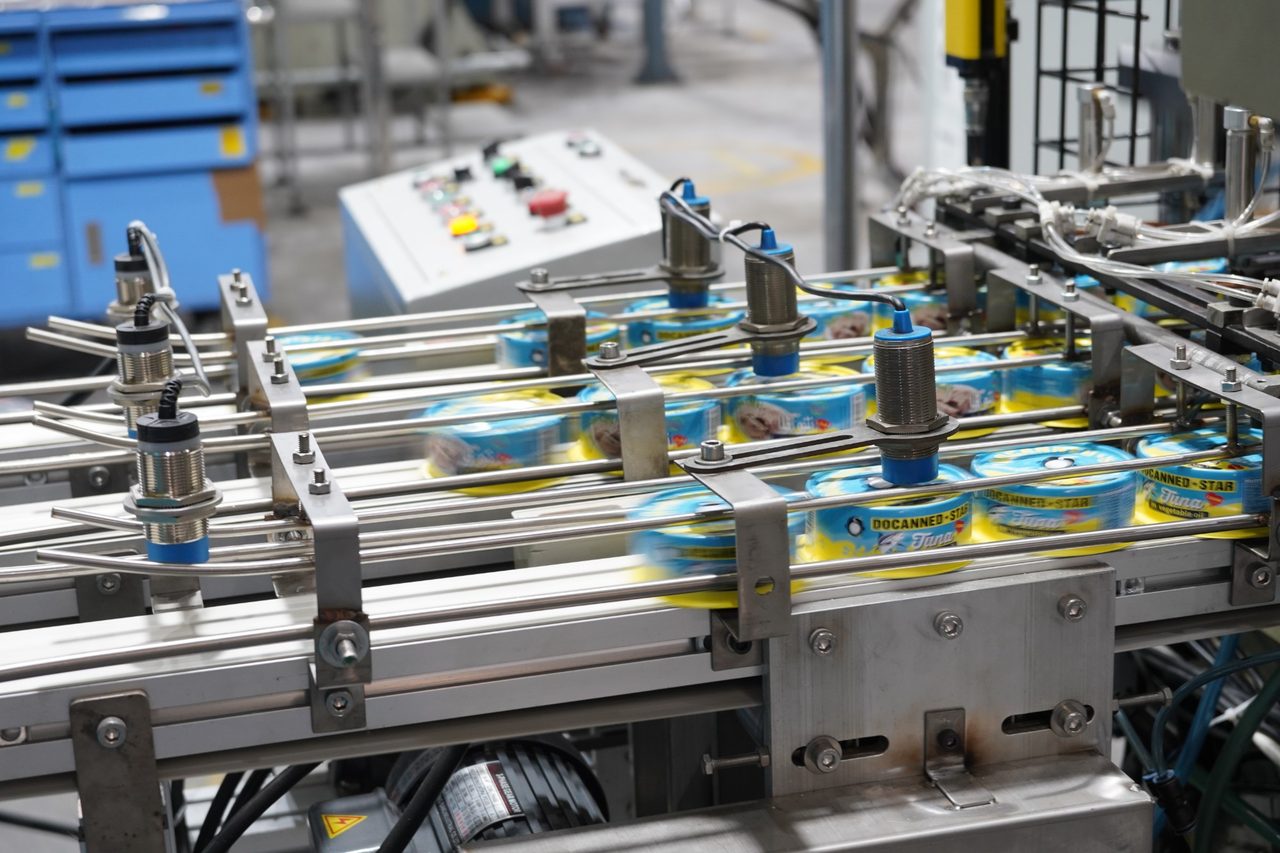
- A-to-Z, in-house — including the tin. Docanned owns its tin-can plant, cold storage, and canneries, so printed tins, custom shapes and sizes, and easy-open ends are produced without a third-party can supplier.
- Three ways to start. Private label on a proven recipe, full OEM to your specification, or distribution of the ready-made DocannedStar brand while you test a market.
- Buy direct from the factory — no middleman. You sign directly with the manufacturer, so there is no trading-company commission and no margin skimmed in between — you keep the full-chain profit.
- Your own team from label to loading. In-house design for your artwork, plus our own team handling customs declaration and freight-forwarder coordination, specification in writing, samples, pre-shipment inspection, and export documents.
- Certifications: BRCGS, HACCP, ISO 9001, ISO 22000, FDA registration (US and Ghana), GMP, and Halal.
- Specialist IP & legal support to help you protect your brand as it grows.
Tell us your market, products, and volume, and we’ll put together a private-label proposal. See our OEM & private label service or request a quote and free samples.
Ready to launch your own canned food brand?
Partner with a factory that owns its entire process — and secure a supply chain that scales with your growth.
Request a quote & free samples →Frequently asked questions
What is a private label canned food manufacturer?
A private label canned food manufacturer produces canned food that is sold under the buyer’s own brand. The buyer owns the label and the customer relationship; the manufacturer handles the recipe, canning, and packaging.
What is the difference between private label and OEM?
Private label uses the factory’s existing, proven recipe under your brand and label. OEM produces to your own specification — recipe, size, tin type, label, and carton. Private label is faster with a lower minimum; OEM gives full control but needs more volume and time.
What is the minimum order for private label canned food?
There is no single number — MOQ is usually set per product, size, and label type. Canned food is planned by the 20-foot container, and you can often combine several products in one mixed container. Send your market, products, sizes, and volume for an exact figure.
Can I put several different products in one container?
Yes. With a multi-category manufacturer you can mix products — for example sardines, mackerel, luncheon meat, and sweet corn — in one 20-foot container, so you can launch a full range without ordering a container of each.
Should I use a printed tin or a paper label?
Paper labels have lower minimums and are easy to change, which makes them ideal for launching. Lithographic printed tins look more premium, won’t peel or scuff, and are harder to copy, but need higher minimums. Many brands launch on paper labels and move best sellers to printed tins.
How long does it take to launch a private label canned food brand?
It depends on samples, artwork approval, market registration, and production scheduling. Production is often not the longest step — artwork and destination-market registration usually are, so start them early and run them in parallel.
How do I protect my private label brand from copies?
Register your trademark in every market you sell into, register your can design where possible, keep your artwork files and production records, and work with a manufacturer that produces your design only for you. Docanned also has specialist IP and legal advisors who can guide you on brand protection.
Can I test a market before launching my own label?
Yes. Some manufacturers offer a ready-made consumer brand you can distribute first. Docanned’s DocannedStar brand lets you test demand before investing in your own label.