Many buyers ask us the same question, usually after one bad experience: “How do I know if I’m talking to the real factory, or to a trading company in the middle?”
So we sat down with Tinky Huang, who runs our cannery in Fujian, China, and asked her to explain it simply — the way she’d tell a friend before their first big order. Here is our talk.
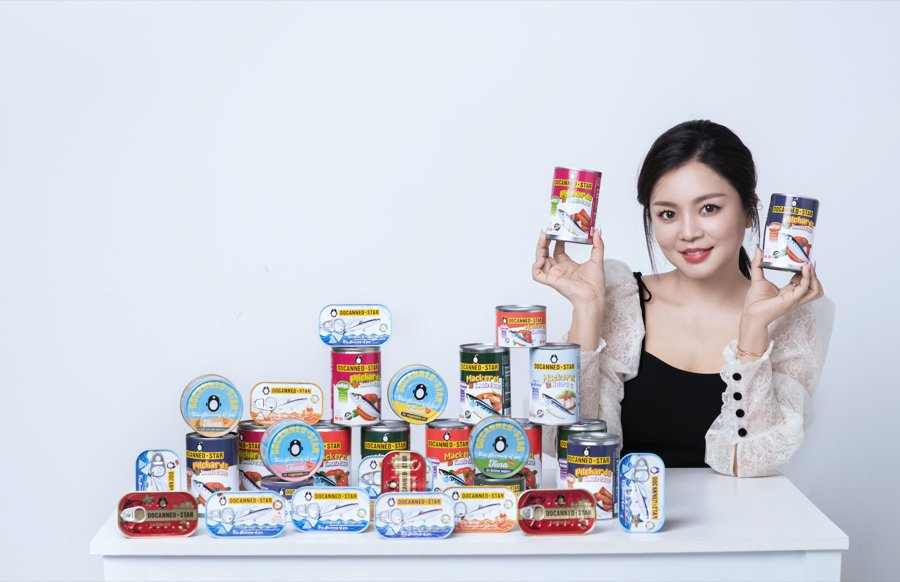
For you, what’s the real difference between a factory and a trading company?
For me it’s simple. A factory makes the product. A trading company buys it from a factory and sells it to you, with some price on top.
Both can be okay. A good trading company is useful sometimes — for a small order, or when you want many products from different makers in one container. I don’t say they’re bad. But you must know which one you’re talking to. Because with a factory, you talk directly to the people who control your quality. With a trading company, there’s always someone in the middle.
Why does it matter so much which one I choose?
Because your brand lives on the can. If the quality changes from one shipment to the next, your customers will feel it, and they will stop buying. A factory keeps the same standard every time. This is what protects your sales.
Also, a factory thinks long. We want your brand to grow, because when you grow, we grow too. A trading company is thinking about this one order. That’s a big difference for a long business.
At an exhibition, everybody looks professional. How can I see who’s real?
Yes, at a show everyone smiles and has a nice booth. But you can still see the truth if you ask the right things. I tell buyers to check five simple things.
First one?
Ask them: “Please take me through your production, from the raw fish to the full container.” A real factory is happy with this question. We can tell you every step — where the fish comes from, how we keep it cold, how we clean it, fill the can, close it, cook it, put the label, load the box. We do it every day, so it’s easy for us.
A trading company usually gives a short, general answer and then shows you the price list again. If nobody in front of you can explain the real steps in simple words, that tells you something.
Second?
Ask about the company story. When did the factory start? How was it in the beginning? Why do they make this product? A real factory has a history — often a small start that became bigger over many years. This is hard to copy, and people are proud to tell it.
If a company has only prices and no story, it’s easy for them to change to another supplier next season. And it’s easy for them to change you too.
Third — how do I check the factory is real if I’m at a show far from China?
You don’t need to fly the same day. Ask for a video walk in the factory, or a live video call from the line. Or ask for a recent audit report. And before a big order, try to visit. A factory that is proud of the work will show you the line running. If every time you ask to “see the production” they give you a reason why you cannot — please notice this.
Fourth?
Check the certificates — BRCGS, HACCP, ISO, Halal, FDA registration. But look at the name on the certificate. Sometimes a trading company shows you a factory’s certificate, but it’s not their own. The certificate must match the company you will sign with, and it must be for that factory and that product.
And the fifth?
This is the most important one. Listen when they talk about quality. If a supplier says, “Any quality you want, any price, we can do it” — for me, that’s almost always a trading company, not a factory.
Why? That sounds flexible, like a good thing.
I understand, it sounds nice. But think about it. A real factory has its own standard, and it will not go below it, even if you ask. Look at any brand you respect — it will not make a cheap, bad version of itself just because you offer a low price. Its name is on the product. Our name is on ours too.
When someone says “any quality,” it usually means “I’ll find the cheapest supplier this month.” Maybe it’s cheaper today. But then your shipments are not the same, your customers complain, and your brand becomes weak. A real factory says no sometimes. That “no” is protecting you.
So your advice, in short?
Ask direct questions and watch how they answer. If the answers are clear, proud, and always the same, you’re probably standing in front of a real factory. If the answers are vague, only about price, and “we can do everything,” you’re probably talking to the middle.
And when you can, work with the people who really make your product. Their standard protects your brand, not only their own. This is how you build a business for many years, not only one order.
A simple checklist for your next trade show
Bring these five questions to the booth:
- “Please walk me through your production, from raw material to the full container.”
- “Tell me about your company — when did it start, and how did it grow?”
- “Can I see the line — a video now, and a visit or audit before we agree?”
- “Are these certificates in your own company name, for this factory and product?”
- Listen to how they answer “what quality can you do?” A real factory tells you its standard; a trader promises any standard.
If most answers are specific and proud, it’s likely a factory. If they’re vague and only about price, it’s likely a trader.
A last word from Tinky
I’m not telling you to never use a trading company. Sometimes it’s the right choice. I only want you to know which one you picked — because many good buyers find out too late, when the container is already on the way.
If you want to see what “everything in one factory” really looks like, come and walk our line, in person or by video call. I’m always happy to show it — the same way we make our canned tuna and canned sardines, and everything else in our range.
Want to work directly with the factory?
Partner with a factory that owns its entire process — and secure a supply chain that scales with your growth.
Request a quote & free samples →Frequently asked questions
How can I tell if a supplier is a manufacturer or a trading company?
Ask them to walk you through their production from raw material to loaded container, ask for the company’s history, and ask to see the line by video, audit, or visit. A real factory answers with specifics and is proud to show its process; a trading company tends to stay general and steer you back to a catalogue. Also check that any certificates are in that company’s own name.
Is it bad to buy from a trading company?
No. A good trading company is useful for small orders, for mixing products from several makers into one shipment, or when you don’t want to manage multiple factories. The key is knowing you’re using one, so you understand who really controls your quality.
What should I check at a trade show or exhibition?
Ask about the full production process, the company’s story, and how you can verify the line. Confirm the certificates belong to the actual facility. And listen for anyone who promises “any quality at any price” — that flexibility is usually a sign of a trader rather than a factory.
Why does working directly with the factory matter?
You get a direct line to the people who control your quality, and consistent quality is what protects your market share and repeat orders. A factory also shares your long-term interest — your brand growing is the factory’s business growing too.
Can a trading company give me my own private label?
Yes, many do. But your labelling, quality, and consistency ultimately depend on whichever factory actually produces it. If you’re building a brand for the long term, it’s worth knowing — and ideally working directly with — the factory behind the label.